October 08, 2026



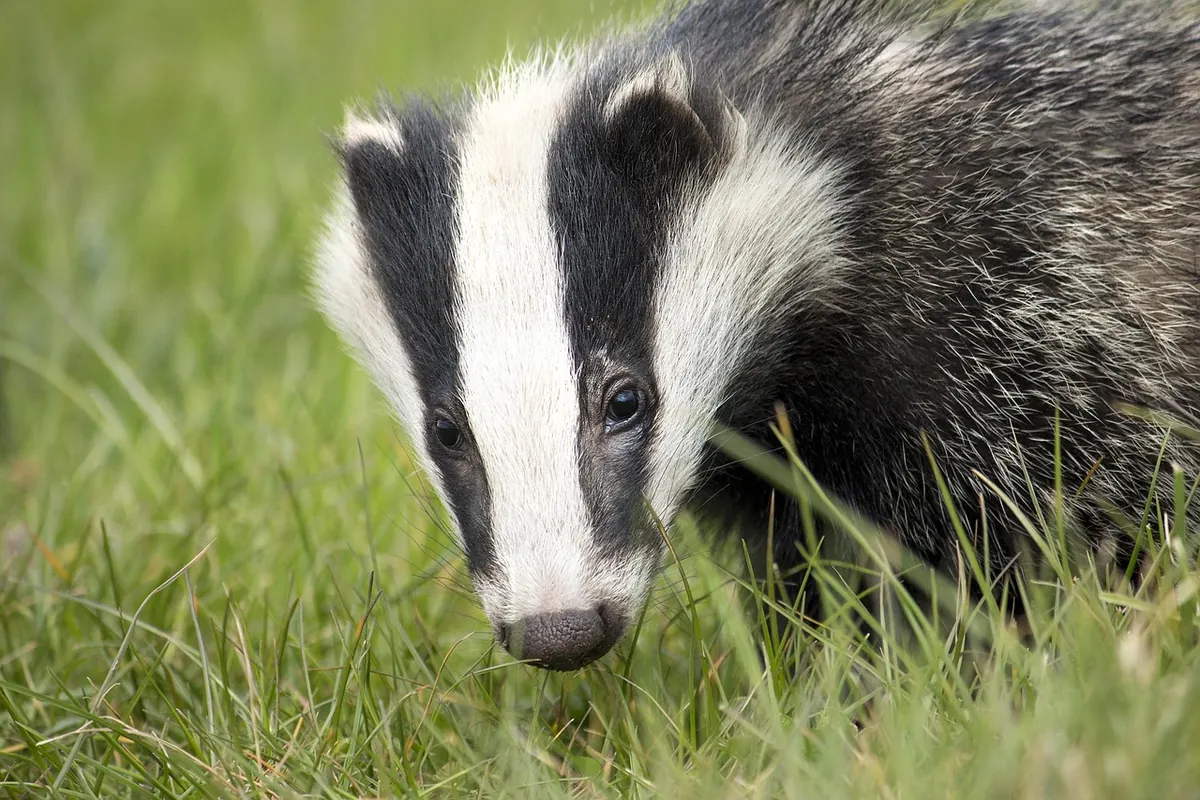
Badgers are one of Britain’s most familiar nocturnal mammals, but their diet is more varied than many people realise. On a wet night, an earthworm is the prize. In a dry August, it might be blackberries and beetles. Understanding what badgers eat through the year helps you read their field signs, avoid wasted effort in the garden, and know when to leave them alone. It also helps separate genuine badger damage from the work of foxes, rabbits, squirrels or deer.
Badgers are omnivores, but earthworms are the single most important food for most UK badgers. They forage at night, often on pasture, lawns, woodland edges and playing fields, using their powerful sense of smell to detect worms near the surface. Wet, mild nights are prime time. After rain, you may find shallow conical pits where a badger has pushed its snout into the soil and licked up worms. A single badger may eat hundreds of earthworms in a night, especially when the soil is moist and warm. They often work the same pastures in a regular circuit, which is why you may see well-worn paths through hedgerows leading to favoured lawns. In dry or frozen conditions, worms are deeper down and harder to reach, so badgers switch to whatever else is available. This is why their diet changes so much from month to month. A badger’s home range may include several setts and a network of paths; the best feeding grounds are often short grass where worms are easy to find.
Use this as a rough guide. Badgers are opportunistic, so local habitat, weather and food availability matter more than the calendar.
Beyond worms, badgers eat a wide range of invertebrates: beetles, beetle larvae, slugs, snails, caterpillars, ants, wasps and their grubs. They will dig out wasp and ant nests, leaving torn-up turf and papery fragments. In spring and summer, they may take birds’ eggs, nestlings, frogs, toads, small rodents and even hedgehogs. Carrion is eaten if they find it. They are powerful diggers, but they are not fast pursuit predators; most animal prey is slow, young, sick or trapped. Plant foods matter more in late summer and autumn: blackberries, elderberries, apples, pears, plums, cherries, acorns, beechmast, hazelnuts, fungi, roots, bulbs and cereal crops such as wheat, oats and maize. In some areas, badgers visit gardens for fallen fruit, bird food and pet food left outside. That is not a balanced wild diet, and it causes problems: it can draw badgers into roads, encourage bold behaviour and increase the risk of disease spreading.
Badgers are protected in the UK, and feeding them is usually a bad idea. It encourages them to rely on people, brings them into gardens and near roads, and can increase the risk of disease spreading between badgers and other animals. It can also make them bolder around pets and people. Avoid offering:
If you want to help wildlife, put food out for birds during the day, bring feeders in at night, and keep bins secure. If a badger looks sick, injured or trapped, do not handle it. Contact a local wildlife rescue or the Badger Trust
Photo: andyballard / Pixabay
Everything you need to know about badgers.
Copyright © 2026 Badger Zone. All rights reserved. Badger Zone.