October 08, 2026



Badgers do not hibernate. That single fact explains most of what they need from us between November and March. In freezing weather a badger may stay underground for days, living off the fat it laid down in autumn, then emerge in a milder spell to search for earthworms that have retreated below the frost line. Add short days, wet ground, busy roads and a protected sett that can be damaged by one careless afternoon, and winter becomes the season when small decisions matter most. None of the help below needs special equipment or a licence.
Badgers are built for digging, not for fasting. They put on weight through autumn, but they cannot stockpile food the way a squirrel does, so a long cold snap is a real test. When the ground is frozen or waterlogged, earthworms — the mainstay of the diet — are largely out of reach.
They also spend far more time in the sett during winter, which makes that sett more important than usual. From late winter into early spring, cubs are born below ground and stay there for several weeks before they first appear above it. Disturbance during that period can be seriously damaging, which is why the law and common sense point in the same direction.
Badgers and their setts are protected by law across the UK, and interfering with a sett — digging it, blocking entrances, damaging the tunnels and chambers — is a criminal offence. In practice, "not interfering" comes down to a few habits:
If you are unsure whether a sett is active, ask your local badger group or the relevant statutory body — Natural England, Natural Resources Wales, NatureScot or DAERA in Northern Ireland — rather than investigating for yourself.
When temperatures drop, ponds, ditches and puddles freeze and badgers can struggle to find a drink. A shallow dish of fresh water, topped up morning and evening, is the most useful thing most of us can put out. Tepid water lasts longer on a hard frost. Site the dish in cover and away from any road, and drop in a stone or a short stick so that if a hedgehog or a bird gets in, it can climb out. Rinse the dish regularly.
Skip the milk. Badgers are not built to digest dairy, and it can cause digestive upset — the last thing an animal running on limited reserves needs in February. Bread and sugary or processed food are no better.
On feeding more generally, most badger groups advise against routine handouts. Fed badgers lose their wariness, gather in unnaturally high numbers, and become more likely to be hit on roads or to fall out with neighbours. Concentrating animals in one place is also unhelpful where disease is a concern. Water and better habitat will do far more good than a bowl of peanuts. If badgers already visit your garden, tidy up spilled bird food and secure your bins instead of adding to the menu.
Road collisions are a well-known and significant cause of badger deaths in Britain. Badgers move at night along familiar routes, often following hedgerows and field edges, and headlights can leave them rooted to the spot. On rural lanes after dark, easing off the accelerator near hedge lines and known setts costs you seconds and gives a badger a chance.
If you find a live badger that has been hit:
If the badger has died, report it rather than moving it; your local badger group or records centre will want the location. Never handle a carcass with bare hands, and wash thoroughly afterwards. If you are worried about your own health after contact with wildlife, speak to a medical professional.
Records are quiet, powerful conservation work. Note the date, a grid reference, what you saw — a live badger, a sett with a given number of entrances, a road casualty — and send it to your local badger group, your county environmental records centre, or a national mammal recording scheme. Those records help groups map populations, spot trouble and argue against damaging development.
Keep precise sett locations out of public posts. Share them directly with the group or records centre rather than on social media, where they can attract the attention of people who dig, bait or lamp badgers.
If you see fresh digging at a sett, blocked entrances, snares, or lamps and dogs working a field at night, report it. Call 101, or 999 if a crime is in progress, and tell your local badger group. Crimestoppers takes anonymous reports. Do not confront anyone yourself.
Winter is a good time to look at what your patch offers. Leave a corner of leaf litter and a log pile undisturbed; both hold invertebrates and give cover. Avoid chemical slug pellets, which can harm badgers and other wildlife that feed on slugs. Check hedges and dense shrubs before cutting them, and leave them be if you can. If you are putting up new fencing, leave gaps at ground level or fit a badger gate so established routes stay open. In a pond, make sure at least one edge slopes gently or has a ramp, so anything that falls in can get out. Secure compost bins and wheelie bins with a strap — a badger that cannot raid your bin stays wilder and safer.
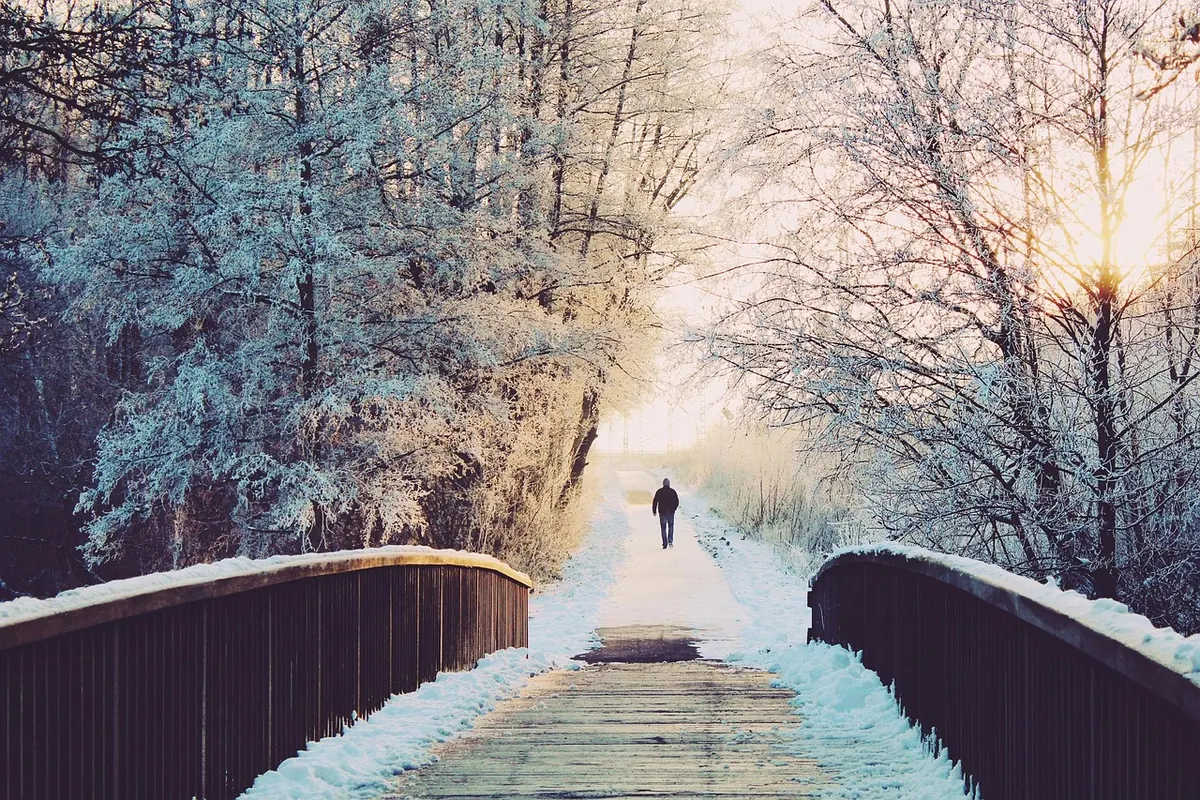
Winter is the season when badgers are least visible and most vulnerable, which makes it the season when careful, quiet action counts. The rules that protect them are strict for good reason, so if you are planning any work near a sett, or you are unsure whether something is legal, take advice from your local badger group or the relevant statutory body before you start.
Photo: TanteTati / Pixabay
Everything you need to know about badgers.
Copyright © 2026 Badger Zone. All rights reserved. Badger Zone.