
November 20, 2026


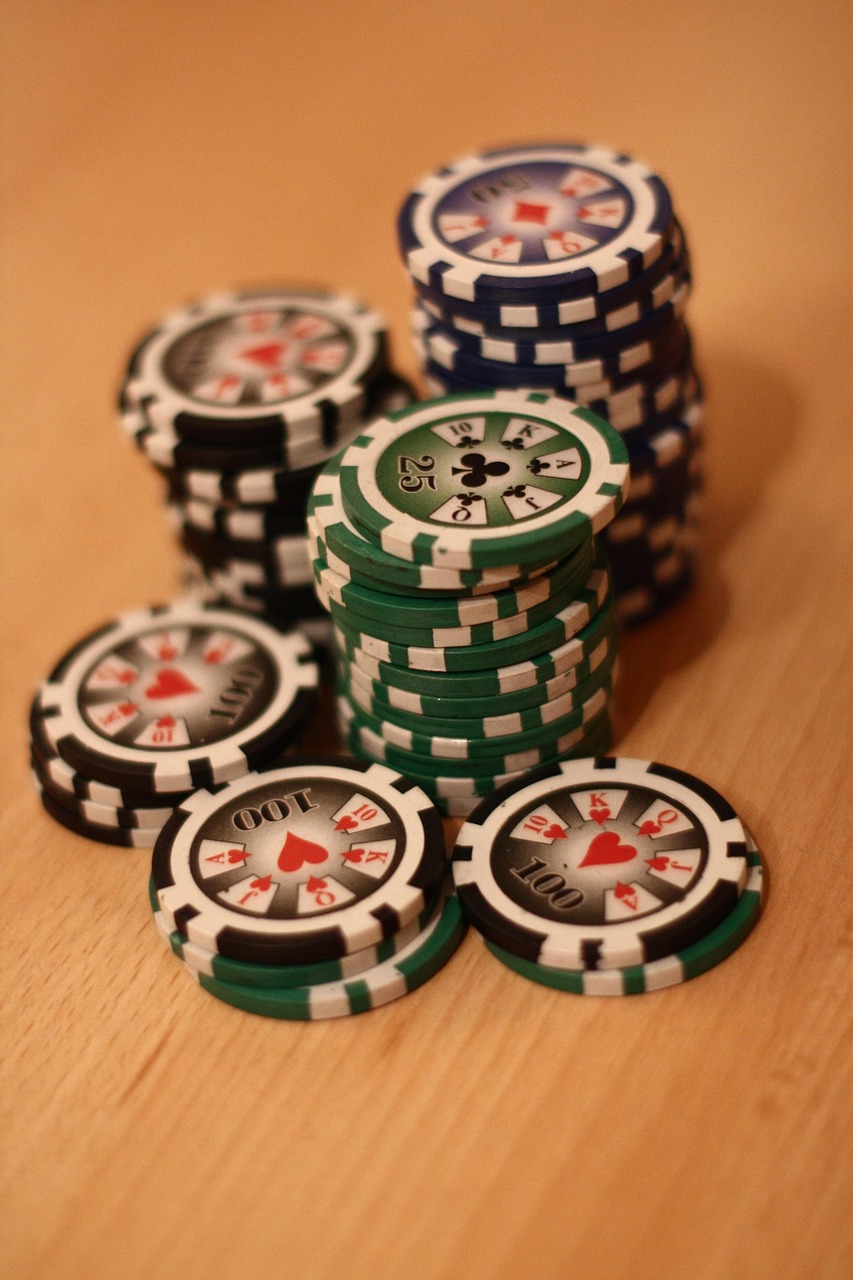

You sit down at a blackjack table in Macau, a slot machine in Vegas, or open a poker app on your phone. The lights, the sounds, the promise of a big win—it's all designed to pull you in. But behind the glitz, iGaming is a math-driven industry. The house always has an edge, but that doesn't mean you can't tilt the odds slightly in your favor. Whether you're spinning slots, betting on football, or bluffing in a poker tournament, understanding the mechanics separates the casual player from the sharp one. This article isn't about getting rich quick; it's about playing smarter, managing your bankroll, and avoiding the traps that empty wallets.
Modern slots are not your grandfather's mechanical reels. They're sophisticated random number generators (RNGs) that spit out outcomes thousands of times per second. The return to player (RTP) percentage is your best friend here. A slot with a 96% RTP pays back $96 for every $100 wagered over millions of spins. But don't confuse RTP with your chances of winning on a single spin—volatility matters more for your session.
High-volatility slots (like Bonanza or Book of Dead) can go hundreds of spins without a payout, then hit a massive win. Low-volatility slots (like Starburst) pay smaller amounts more frequently. Choose based on your bankroll and patience. If you have $50, a low-volatility slot might last you an hour; a high-volatility one could vanish in minutes.
Sports betting isn't about picking winners; it's about finding value. A value bet is when the probability of an outcome is higher than the odds imply. For example, if you think Manchester City has a 60% chance to beat Liverpool, but the odds are 2.00 (implied 50%), that's value. The bookmaker's margin (the vig) is built into every price, so you need to spot when they've mispriced a market.
Line shopping is your weapon. Different sportsbooks offer slightly different odds. Betting $100 on a team at 2.05 instead of 1.95 earns you an extra $10 on a win. Over a season, that's thousands. Also, specialize. Don't bet on every sport—pick one or two leagues and follow them obsessively. Know the injuries, the weather, the referee tendencies. That knowledge gives you an edge. Many readers start with สล็อต when comparing options.
Poker is the only iGaming vertical where long-term winners exist consistently. Why? Because you're not playing against the house—you're playing against other players. The house takes a rake, but your edge comes from exploiting opponents' mistakes. Position is king. Acting last gives you information. Playing tight from early position and loosening up on the button is fundamental.
But the modern game is aggressive. GTO (game theory optimal) play is the baseline, but most low-stakes players don't follow it. They call too much, bluff too little, and play too many hands. Exploit them by value betting thin and reducing your bluffs against calling stations. In tournaments, ICM (independent chip model) pressure matters near the bubble. Short stacks fold too often, so steal their blinds with any two cards if you have a healthy stack.
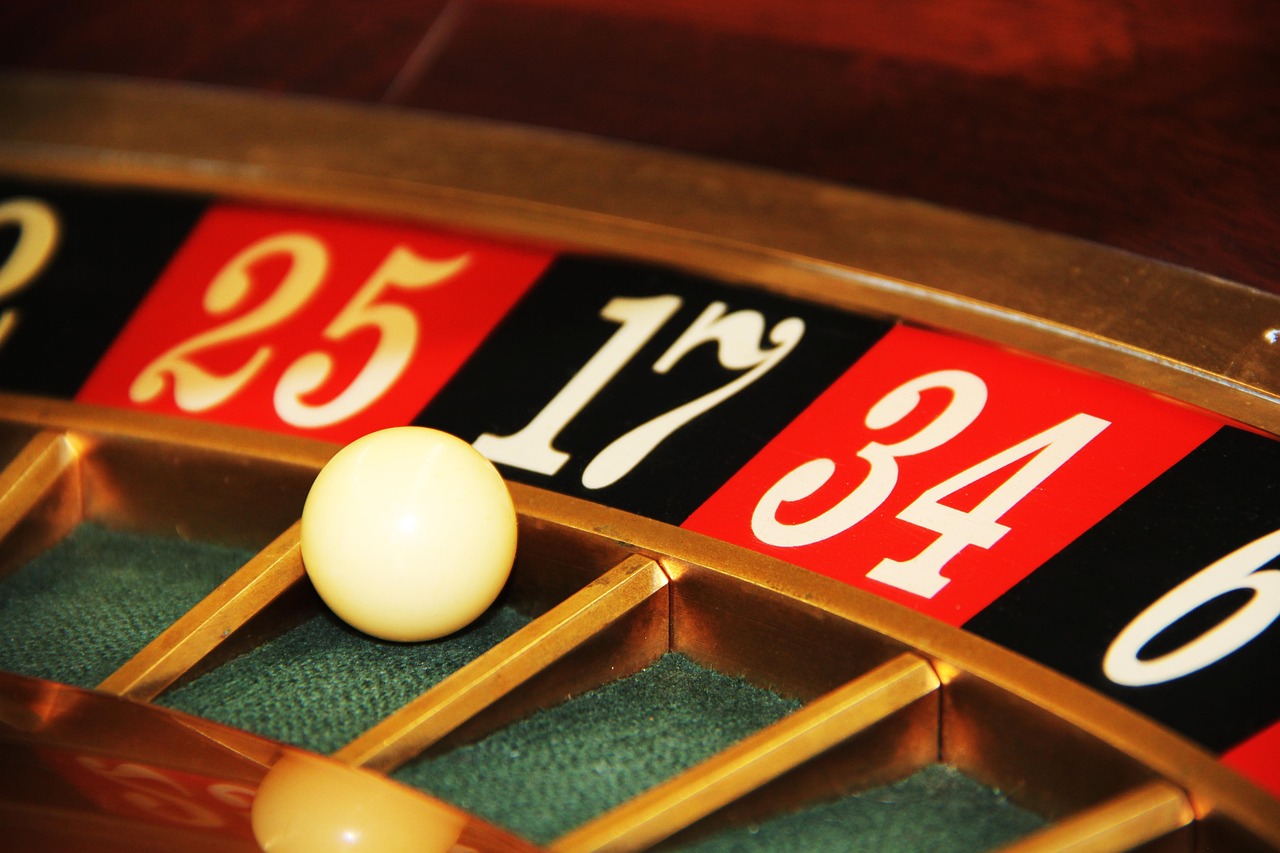
Not all casino games are created equal. Blackjack, when played with basic strategy, has a house edge of about 0.5%. That's the best bet in the house. Baccarat banker bet? 1.06%. Roulette? 2.7% (European) or 5.26% (American). Slots? Anywhere from 2% to 10% in brick-and-mortar casinos, though online slots are often higher RTP. Craps pass line? 1.41%.
Your goal is to minimize the house edge and maximize your playtime. Avoid side bets like perfect pairs or 21+3—they have edges of 10% or more. Stick to games where you have a fighting chance. And remember, free drinks don't make up for bad math.
If you're playing live dealer games, check the rules. Some blackjack tables pay 6:5 for a natural instead of 3:2. That single change doubles the house edge to over 1.5%. Always read the table limits and payout rules before sitting down.
Online casinos lure you with welcome bonuses: "100% up to $500!" But that free money isn't free. Wagering requirements, game weightings, and time limits can turn a bonus into a burden. A 100% bonus with 40x wagering on slots means you need to bet $40,000 to withdraw $1,000. If the slot has a 95% RTP, you'll lose $2,000 on average—more than the bonus itself.
That said, some bonuses are profitable. Reload bonuses with low wagering (10x or less) and high RTP games can be worth it. Free bets on sportsbooks are often risk-free if you hedge them on a betting exchange. Always calculate the expected value before claiming.
iGaming is entertainment, not a retirement plan. The players who last are the ones who treat it like a hobby with a budget. They set limits, study the games they play, and walk away when the math turns sour. Whether you're spinning slots, betting on the Premier League, or grinding $1/$2 poker, the edge is small—and it only shows up over thousands of hands or spins.
So the next time you log in, ask yourself: are you playing the game, or is the game playing you? Keep your bankroll separate, track your results, and never bet more than you can afford to lose. That's the real iGaming edge.
Everything you need to know about badgers.
Copyright © 2026 Badger Zone. All rights reserved. Badger Zone.