October 08, 2026




A badger sett is easy to walk past for years without noticing. Then someone points out a low arch in a bank, a fan of pale soil spilling beneath it, a smooth track running into the bracken — and suddenly you see them everywhere. Learning to identify a sett is mostly about knowing which clues matter and where to look. It is also about leaving everything exactly as you found it. Here is a beginner's route through the main field signs, from the shape of the hole to the smell of the latrine.
Badger entrances have a distinctive profile: wider than they are tall, with a flattish bottom and a rounded top. People often describe them as D-shaped, or like a small tunnel arch. A typical entrance is roughly 25–30cm across — big enough that you would not mistake it for a rabbit hole. The floor of the tunnel is usually worn smooth by generations of traffic, and the soil around the rim is compacted and polished rather than crumbly.
Setts often have several entrances, and a large, long-established main sett can have a dozen or more. Look for them clustered along a bank, a woodland edge, a hedgerow or a railway embankment — anywhere with well-drained soil and a bit of slope. Badgers like digging into banks and under tree roots, where the digging is easier and the roof is stable.
Newly dug spoil is pale, crumbly and sometimes still shows claw marks. If the soil outside a hole is dark, mossy, buried in leaf litter and half-smothered by dead bracken, the sett may be disused — or it may simply be one the badgers are not using this week. Badgers move between setts in a territory, so an untidy entrance is not proof of abandonment.
The hole is only the beginning. Badgers leave a whole set of clues in the surrounding few metres, and together they tell a much clearer story than any single sign.
Footprints are useful too if you catch them in soft mud. A badger print has a broad, kidney-shaped pad, usually with clear claw marks and five toes — though the front pad often smudges the two outer toes together. Compared with a fox's neat print, it looks heavy and flat-footed.
A latrine is a shallow scrape, or a short row of them, used repeatedly as a toilet. They tend to sit on the edge of a territory, along paths, on field boundaries or beside tracks rather than right at the sett entrance. Badger dung is dark, soft to slimy, often tapering to a point, and packed with the seeds and pips of whatever is in season. Blackberry pips in autumn are a classic. Your nose will usually find it before your eyes do.
It is not the most glamorous part of badger watching, but it is one of the most useful. A latrine with fresh dung proves badgers are active in the area even on a day when nothing else gives them away.
Most confusion comes from three animals digging in the same kind of places.
Badger specialists use a rough vocabulary that is worth knowing, even if you never need to record it formally.
You do not need to classify every hole you find. What matters is recognising that a cluster of entrances with worn paths, fresh spoil and bedding is a badger sett — and that it belongs to the badgers, not to us.
Badgers and their setts are protected by law across the UK. Damaging, destroying or obstructing a sett is an offence, and so is disturbing the animals. Letting a dog enter a sett is an offence too. If any work is planned near a sett — fencing, tree felling, building, groundworks — stop and seek advice from the relevant conservation body before anything starts on site. This is general guidance, not legal advice.
If you want to watch badgers rather than just map their holes, patience and distance are everything. Settle yourself at least ten to fifteen metres away, ideally downwind, and arrive before dusk. Sit still, keep your voice down, and use a red torch rather than a white one, which disturbs them far more. Early morning is often quieter and less crowded than evening.
Keep dogs on a short lead and well away from entrances. A dog digging at a sett causes real damage, can come off badly in an encounter, and puts you on the wrong side of the law. Never dig, never block a hole, and think twice before posting precise locations online — badger digging and baiting still happen, and a public grid reference can do genuine harm.
Do keep notes, though. Date, weather, whether the spoil looked fresh, whether bedding had been changed, which holes had latrine pits nearby. A few repeat visits from a respectful distance will teach you more than a dozen one-off glances ever could. Then leave the bank as you found it, and walk on.
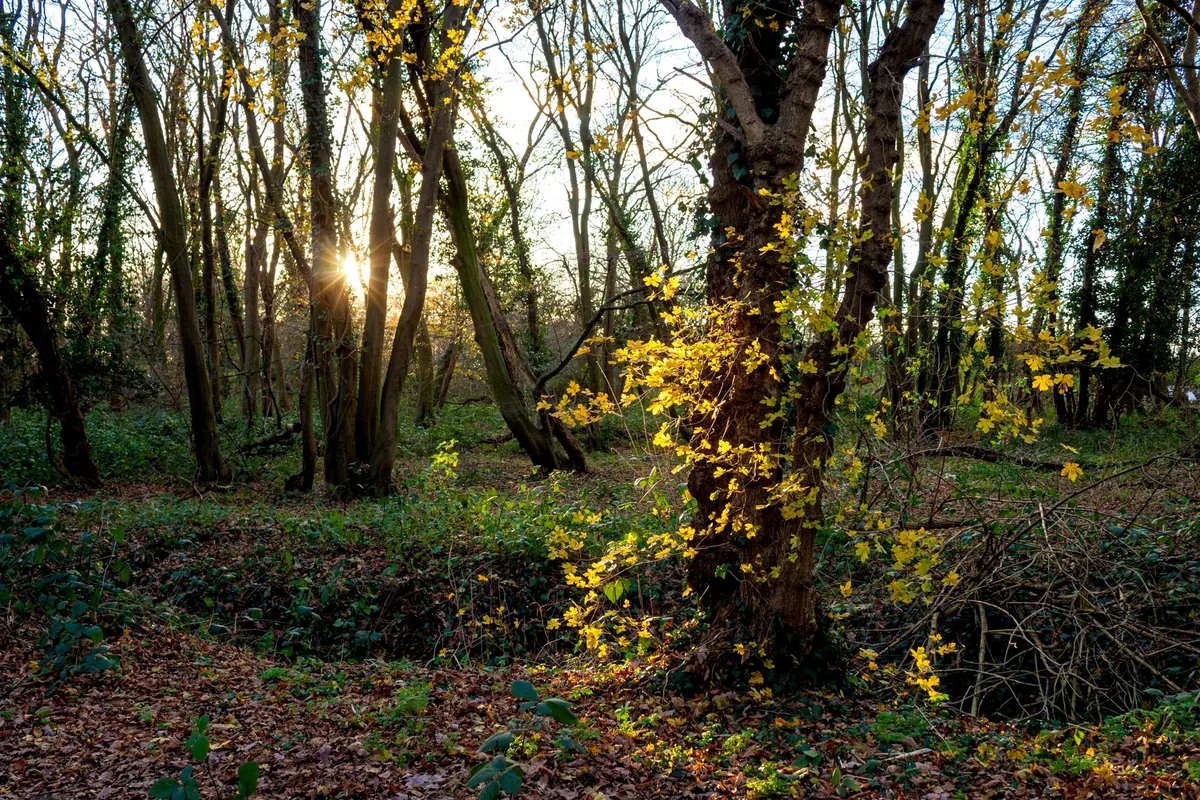
Photo: Nathan Still / Pexels

Everything you need to know about badgers.
Copyright © 2026 Badger Zone. All rights reserved. Badger Zone.